Step 2
Step 2: Choose your bike & gear
Riding a motorcycle is a whole lot of fun, and so is shopping for your first bike. Sure, it can seem overwhelming at first, with so many different models to choose from, but once you learn a little bit about how one style of bike differs from another, it’ll be easy to find the bike that’s just right for you. Here are a few of the important things to look for in your first bike:
Consider these bike features
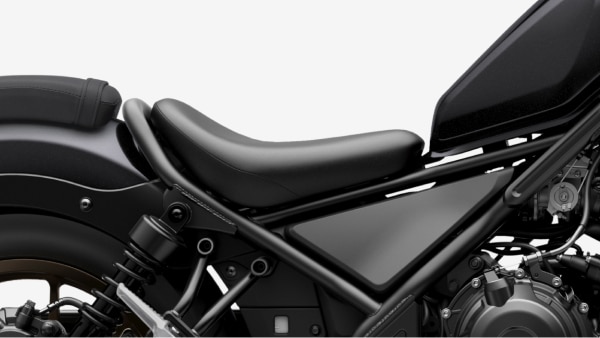
Seat height
Being able to put both of your feet flat on the ground when you come to a stop gives you extra control and confidence. And if the seat is too high, the bike can feel intimidating to ride – particularly if you are just learning. Street bikes typically have a lower seat height than off-road or dual-sport bikes, in part because they need less ground clearance.
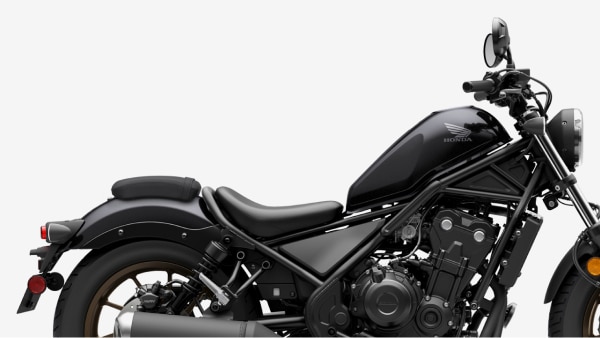
Seating position
A bike’s ergonomics – how your arms and legs are positioned and the angle of your back and neck when you’re riding – plays a huge role in ride comfort, how easy the bike is to handle and how confident you feel. The seating position may seem just right at a standstill, but awkward once you start riding. For your first bike, look for something that puts you in a gentle crouch – not too leaned forward with too much stress on your arms - and not too leaned back with your feet too forward.
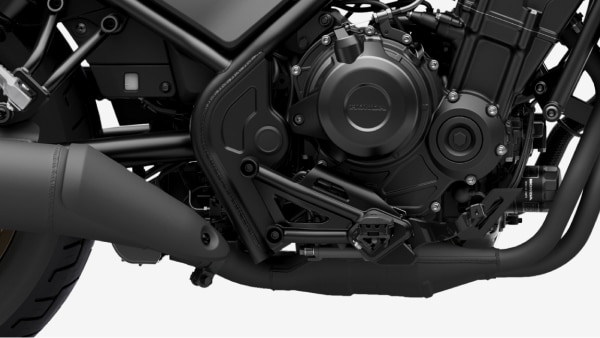
Weight
A lighter bike is simply easier to keep balanced when you’re stopped, or when you’re tip-toeing into a tight parking spot. It’s also easier to move around in a garage or put it on or take it off its sidestand or centrestand. In most cases, the bigger the engine, the heavier the bike. Honda weights always include a full tank of gas, so you know exactly the weight of the bike at its heaviest.
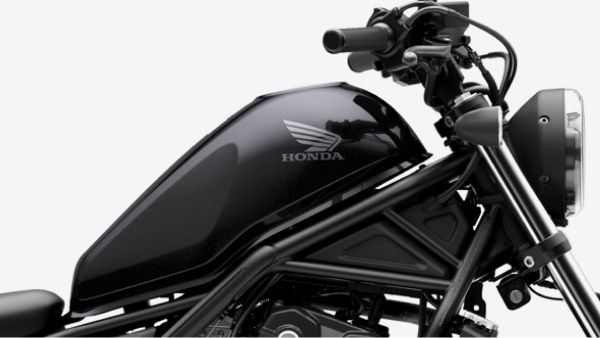
Bodywork Style
Unique style that showcases different looks for your bike from athletic, to sporty & retro. Designed to reduce air drag & fuel consumption and protect engine components.
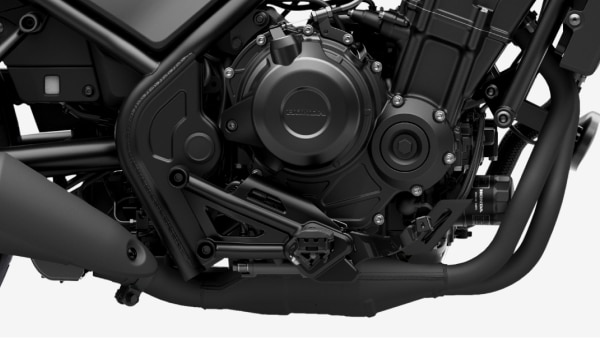
Engine Size
Along with displacement, the number of cylinders an engine has contributes to how it performs, how it feels, how it sounds, how much it weighs – even how it looks. Smaller bikes aimed at new riders typically have one or two cylinders to keep weight low and the bike narrow. Cruisers usually have two-cylinder engines, often with a classic V-twin shape, and high-performance sport bikes and touring bikes almost always have four, or even six, cylinders. Riders often fall in love with the sound and feel of a particular type of engine – all are capable of great performance, so it often comes down to what you prefer.
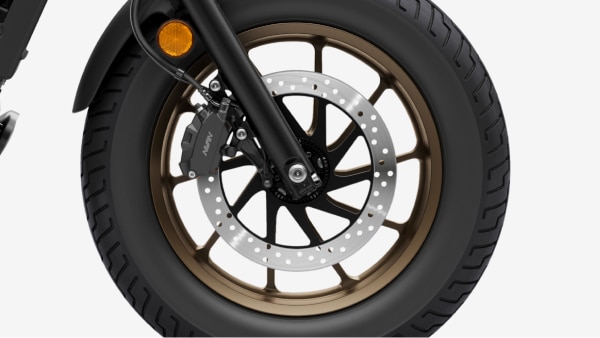
Brakes
Braking on a motorcycle is a lot like braking on a bicycle – it takes a little bit of practice to do it properly and safely without skidding the tires. That’s why Honda leads the way with technology designed to make braking a whole lot easier to master and safer to use. Especially when you’re just starting out, a bike with ABS (Anti-lock Braking System) is a great choice because ABS helps to prevent the wheels from locking and skidding if you brake too hard or on a slippery surface. An ABS system that links or combines the front and rear brakes is even better – it automatically applies some braking force to the front wheel when the rear-brake pedal is applied, and (depending on the type of linked system) some force to the rear wheel when the front-brake lever is applied.
Choose your bike style
We know the importance of getting a safe, confident, enjoyable start in the sport, which is why Honda offers one of the largest selections of bikes designed with novice riders in mind. Here’s a look at the six basic styles of bike and what they offer.
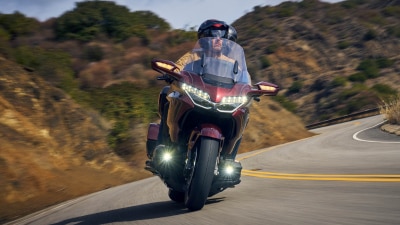
Touring
If you love to explore far-away places, a touring bike is the perfect companion. Features include extra protection from a larger fairing, a taller windshield, and plenty of options for carrying your gear.
Three Reasons You’ll Love a Honda Touring Bike:
- Smooth and powerful engine for comfort on all-day highway trips
- Ample fuel capacity to ride longer
- Built-in saddlebags, or bodywork designed to accept accessory bags
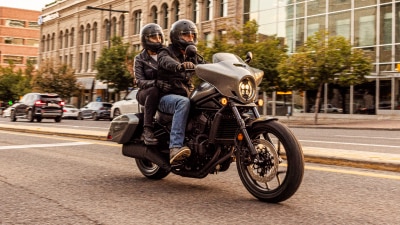
Cruiser
Featuring the look, sound and riding position like no other style of motorcycle, Honda offers a range of cruisers with different engine configurations for all types of riding and all types of riders.
Three Reasons You’ll Love a Honda Cruiser:
- High-tech features and light and compact design
- Excellent fuel efficiency to help you ride far and wide between fill-ups.
- Comfortable riding position that is relaxed and neutral
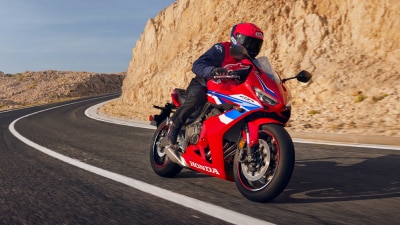
Sport
Sport bikes are perhaps the most exhilarating style of all motorcycles. They’re designed to go, stop, turn and handle with the utmost efficacy. Because of this, a smaller sport bike makes great sense as a novice rider’s first motorcycle.
Three Reasons You’ll Love a Honda Sport Bike:
- Available in a range of sizes
- Light weight for increased bike performance
- Optimum seat position for operating controls
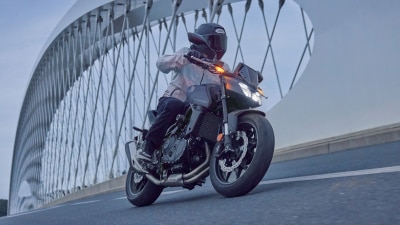
Standard
Standard bikes offer a blend of style and comfort, catering to riders of all levels with their user-friendly features and range of sizes. Their adaptable designs provide open and relaxed seating positions, ensuring versatility and contentment for riders.
Three Reasons You’ll Love a Honda Standard Bike:
- Available assist slipper clutch on most models
- Available in a range of sizes
- Light weight for better performance and control
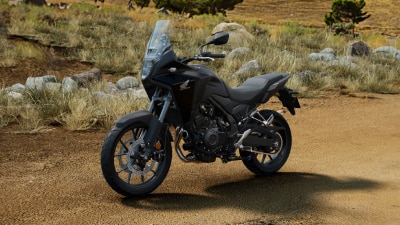
Adventure
No other style of motorcycle opens the door to freedom and new experiences quite like an adventure bike. If you’re a new rider unsure of where you want to go, an adventure bike leaves your options open.
Three Reasons You’ll Love a Honda Adventure Motorcycle:
- More ground clearance, suspension travel, special tires and more
- Higher handlebar and taller windshield for a clearer view
- The iconic performance that lets you explore like never before.
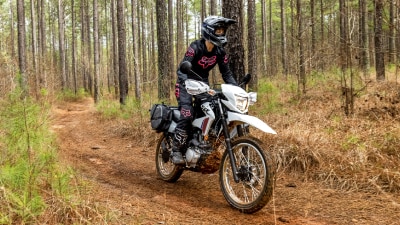
Dual Sport
From exploring remote regions to carving through city streets, every ride is a new adventure. Honda dual-sport motorcycles are designed for the best of both worlds, with ruggedly comfortable performance and impressive all-terrain capability.
Three Reasons You’ll Love a Honda Dual Sport Bike:
- Excellent on-road and off-road riding comfort and capability
- Powerful, lightweight performance to tackle any terrain
- Balanced dual-sport suspension and durable chassis design
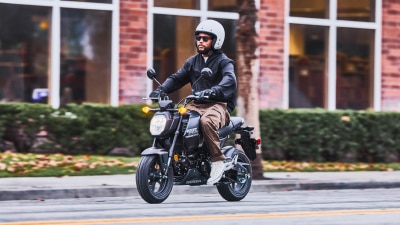
miniMOTO
Going to work or school or running errands sometimes can be a drag—but add one of these pocket-sized Hondas to the equation, and suddenly it becomes the best part of your day. Wherever you need to go, get ready to put a smile on your face. One ride on a Honda miniMOTO and you’ll be a fan for life!
Three Reasons You’ll Love a Honda miniMOTO Bike:
- A variety of styling options from Sporty, Modern & Retro
- Lightweight ride that offers incredible fuel efficiency
- So much fun to ride you’ll forget how practical it is
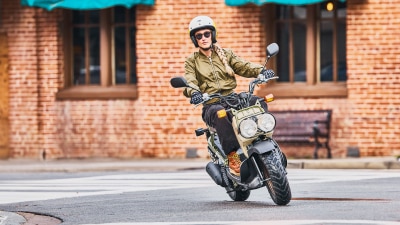
Scooter
Getting around just got a lot more fun! Getting from Point A to Point B transforms into an adventure when you do it on a Honda Scooter. Brighten your day and spark joy wherever you need to go! Scooters are reliable performers that offer comfort, control, and confidence.
Three Reasons You’ll Love a Honda Scooter:
- Scooters are ideal for city life
- Fun to ride, practical, and fuel efficient – the total package!
- Squeeze into tight spaces
Choose your gear
Quality gear keeps you more comfortable during a ride, and acts as your suit of armour during falls and nasty weather. Whether you're going on-road or off-road, your local Honda dealership has it all, with the expertise to make sure everything fits right.
On-Road Gear
Helmet
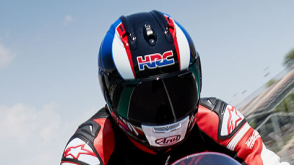
Your helmet is the most important piece of protection. It must fasten securely and bear DOT and/or Snell approval. Full-face helmets are recommended over open face styles for improved comfort and protection.
Jacket
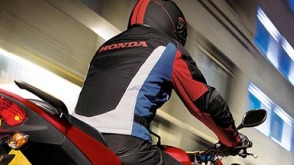
Jackets provide excellent protection and act as a first line of defence in a fall. Make sure your jacket allows for correct adjustment. Textile or mesh offer increased practicality but leather offers the best protection.
Pants
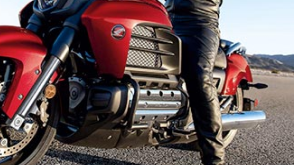
In a fall your knees, hips or legs are often first to contact the ground. Your pants can protect these areas from impact and abrasion. Make sure your pants include padding on the hips.
Gloves
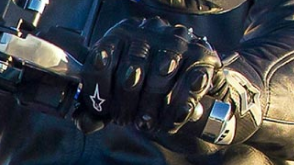
A good pair of riding gloves not only helps protect your hands but also helps keep them from getting sore, tired or cold. They should fit snugly without causing discomfort. Leather construction with a plastic knuckle is best.
Boots
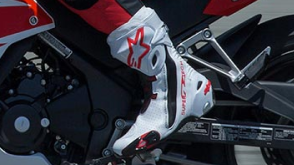
Quality footwear with good ankle protection is a must. Some boots can be quite dangerous because of the sole. Make sure yours do not have deep grooves that can hang up on the pegs easily. Boots with plastic panels are recommended because they tend to slide, rather than tumble when hitting the pavement.
Suit
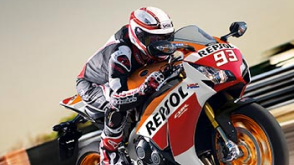
The most abrasion and impact protection possible is available only with the use of a well armoured, one-piece leather suit. Correct fit is more important than anything. All armour should fit snuggly in place and the leather should not move freely or fold over your skin.
Spine protector
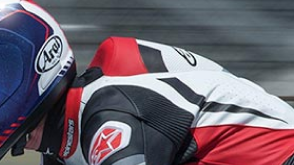
Most jackets and suits come with a supplemental spine pad, but these offer a minimal amount of spine protection. CE rated spine protectors improve the level of protection as well as cover a larger portion of the back. Your CE rated spine protector should be fully adjustable at the waist and shoulders to maximize safety.
Dual-Sport Gear
Helmet
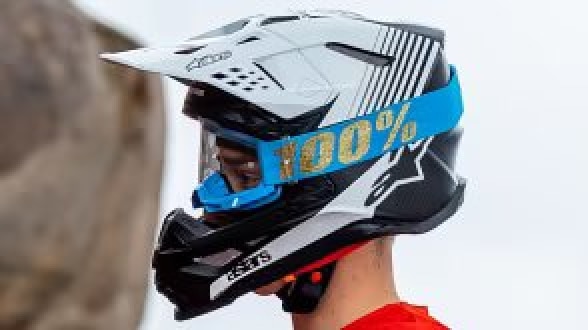
Your helmet is without question the most important piece of protection. It must fasten securely, and bear DOT, and/or Snell approval labels. Full-face helmets are recommended over openface styles for their improved protection.
Goggles
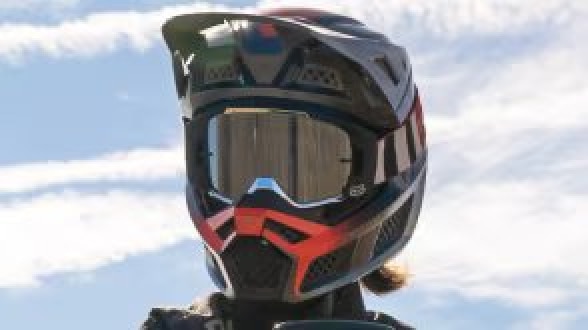
Protecting your eyes is just as important as protecting your noggin, so goggles are a must when heading out on the trail. Make sure they fit inside your helmet opening and opt for higher-quality models with a foam seal and shatterproof clear or tinted Lexan® lense.
Jersery
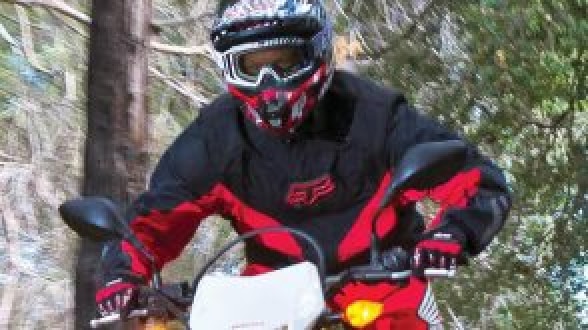
Long-sleeved jerseys provide excellent protection from scrapes and cuts, and they keep a rider comfortable over a wide range of weather conditions. Most riding jerseys are made of materials that breathes well and stretches with normal body movements.
Elbow Guards
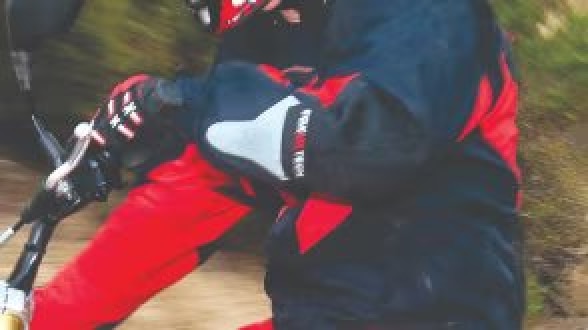
Further protection for your elbows and forearms comes in the form of hard-plastic, foam-lined elbow pads, worn underneath your jersey. These come in specific child and adult sizes, so make sure they fit snugly and won’t slip in the event of a fall.
Boots
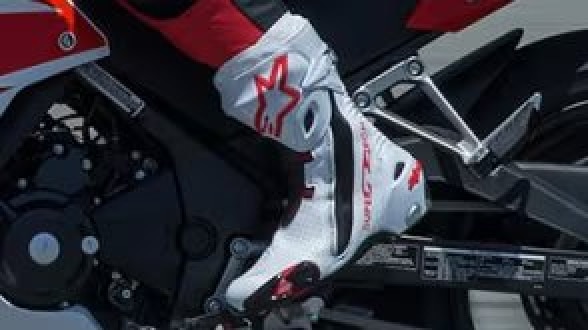
Quality footwear with good ankle protection is a must. Some boots can be quite dangerous because of the sole. Make sure yours do not have deep grooves that can hang up on the pegs easily. Boots with plastic panels are recommended because they tend to slide, rather than tumble when hitting the pavement.
Suit
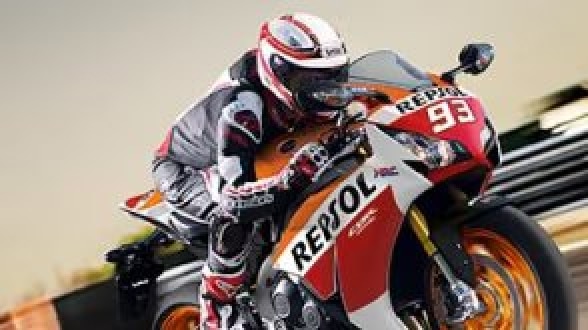
The most abrasion and impact protection possible is available only with the use of a well armoured, one-piece leather suit. Correct fit is more important than anything. All armour should fit snuggly in place and the leather should not move freely or fold over your skin.
Spine protector
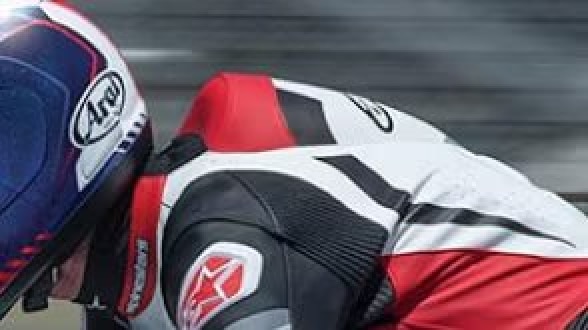
Most jackets and suits come with a supplemental spine pad, but these offer a minimal amount of spine protection. CE rated spine protectors improve the level of protection as well as cover a larger portion of the back. Your CE rated spine protector should be fully adjustable at the waist and shoulders to maximize safety.
Chest protector
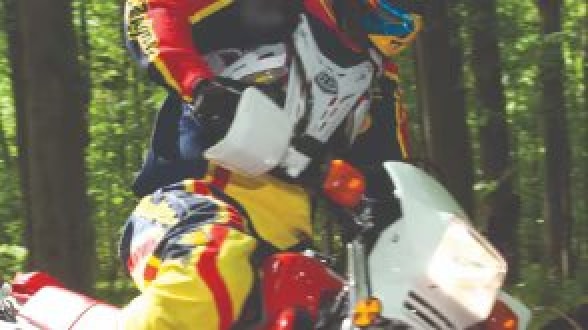
Chest protectors help shield your chest, shoulders and back against trail 'roost' kicked up by other riders. Available in a wide range of sizes - be sure to pick one that fits securely and comfortably.
Kidney Belt
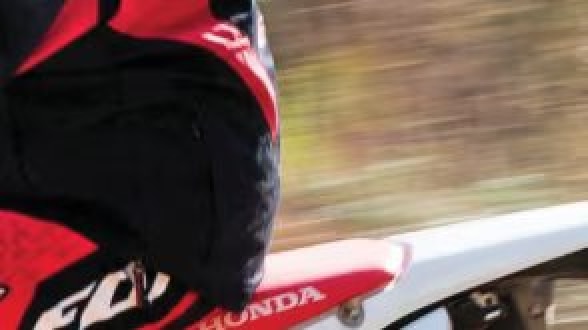
While not usually considered a mandatory piece of protective gear, kidney belts are still highly recommended. Designed for both lower back and kidney support while navigating rough terrain, it’s the smart choice to wear one every time you ride.


